
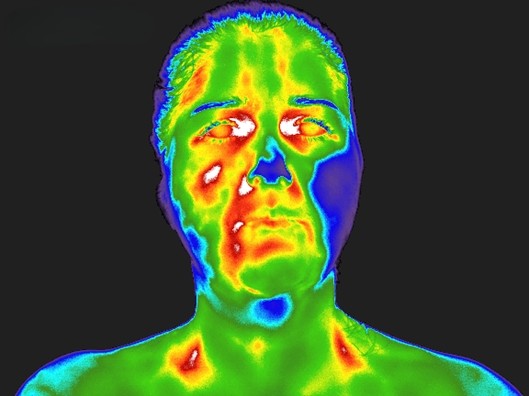
Your oral health can influence many different aspects of your overall health.
The mouth is continuously exposed to bacteria and outside influences. When the teeth and gums are healthy, the body is generally able to manage this environment effectively. However, when gum disease, dental infection, an abscess, or another unresolved dental problem is present, the mouth can become an ongoing source of inflammation.
Because the mouth is connected to the rest of the body through the circulatory, lymphatic, immune, and digestive systems, what happens in the oral cavity does not necessarily stay there. Persistent dental or gum inflammation can add to the body’s overall inflammatory burden and may be associated with broader health concerns.
Research continues to demonstrate connections between periodontal health and overall health, particularly cardiovascular and metabolic health. Oral inflammation may also be an important factor to consider when investigating persistent inflammation or unresolved symptoms elsewhere in the body.
Why It Matters: The health of your mouth and gut are closely connected, and both can influence your overall health. Persistent dental or periodontal inflammation deserves appropriate investigation, particularly when other areas of the body show patterns of inflammation or when a person is experiencing ongoing, unresolved symptoms.
What About Root Canal-Treated Teeth?
A root canal is performed when the pulp inside a tooth has become damaged or infected. During the procedure, the pulp and nerve tissue are removed, the inside of the tooth is cleaned and disinfected, and the tooth is filled and sealed.
Because the nerve has been removed, a root canal-treated tooth may no longer produce the same pain signals as a vital tooth. This means that changes involving the tooth or surrounding tissues may sometimes occur without the type of discomfort that would normally alert someone that something needs attention.
A root canal does not automatically mean that a health problem exists. However, if inflammation, infection, or another concern persists around a previously treated tooth, it is important that it be properly investigated rather than assuming everything is fine simply because there is no pain.
The same is true for any chronic dental concern. Gum disease, abscesses, failing dental work, jaw inflammation, and other unresolved oral conditions can place an ongoing demand on the body’s immune and inflammatory systems.
Think of It This Way
Imagine having a splinter lodged in your finger. You could use creams, supplements, ice, or other measures to reduce the swelling around it, and some of those things might temporarily make it feel better.
But as long as the splinter remains, the source of the irritation is still there.
The same principle can apply when there is an unresolved source of inflammation in the mouth. Supporting the body’s inflammatory response can be helpful, but it is equally important to identify and properly address whatever may be creating the ongoing irritation in the first place.
Oral Health and Gut Health
The mouth and digestive system are closely connected. Every day, bacteria from the oral cavity are swallowed and introduced into the gastrointestinal tract. When the oral microbiome is out of balance because of gum disease, dental inflammation, or other oral health concerns, this may influence the microbial environment of the gut.
The relationship can also work in the other direction. Poor gut health and changes in the intestinal microbiome may contribute to systemic inflammation and influence microbial balance throughout the body, including the mouth.
This is another reason oral and digestive health should not be viewed as completely separate. When someone is experiencing persistent digestive complaints, food sensitivities, chronic inflammation, or other unexplained symptoms, both oral health and gut health may be important pieces of the overall picture.
Why Oral Health Matters to the Whole Body
Chronic inflammation places an ongoing demand on the body. When the immune system is continually responding to inflammation in one area, it can contribute to a greater overall inflammatory burden.
This is why we encourage people to think about dental health as part of overall health rather than treating the mouth as a completely separate system.
If someone is dealing with ongoing cardiovascular concerns, digestive issues, fatigue, inflammatory conditions, unexplained pain, or other persistent symptoms, oral health may be one of several areas worth considering.
This does not mean that a dental problem is necessarily causing those conditions. It means that an unresolved source of oral inflammation may be one piece of a much larger health picture.
What Does This Have to Do With Breast Health?
Breast tissue is also influenced by the body’s overall inflammatory environment, circulation, lymphatic drainage, hormonal activity, and general health.
When inflammatory or congestive patterns are present in the breasts, it can therefore be helpful to look beyond the breast tissue itself. Oral inflammation is one possible contributor to consider, along with gut health, lymphatic congestion, hormonal balance, metabolic stress, musculoskeletal tension, and other areas of physiological stress.
This is why looking at only one part of the body can sometimes leave important pieces of the picture unseen.
Consider the Whole Body
Thermography is most valuable when we look at the body as a whole. Imaging only one small area may show us where a thermal pattern is present, but it often does not help us understand why it is there or what else may be contributing to it.
This is why we prefer full-body thermography rather than focusing on isolated areas of the body. A full-body study allows us to look for patterns involving inflammation, circulation, lymphatic congestion, muscular stress, and other areas of physiological imbalance, and then consider how those patterns may relate to one another and to the person’s health history and symptoms.
For example, a person may have unresolved digestive complaints, fatigue, pain, cardiovascular concerns, or other symptoms while also demonstrating unusual thermal activity around the mouth, jaw, or dental regions. Looking at the entire body provides a more complete picture and may help identify areas that deserve further investigation. If a dental concern is suspected, the thermal findings should be correlated with the person’s dental history and properly evaluated by a qualified dental professional.
Thermography does not diagnose dental infection or disease. Its value is in helping us look beyond the symptom, see the bigger picture, and identify areas of physiological stress that may warrant further investigation.
Healthier is Smarter!
The health of your mouth and gut are closely connected, and both can influence your overall health. Persistent dental or periodontal inflammation deserves appropriate investigation, particularly when other areas of the body show patterns of inflammation or when a person is experiencing ongoing, unresolved symptoms.
The body does not function as a collection of completely separate parts. The more we understand how its different systems may be connected, the better equipped we are to make informed decisions about our health.
Sharon Edwards – R(Hom), DNM, RHN, CCMT